Continuous improvement strategies for CLM software
Continuous improvement is essential in maintaining the effectiveness of Contract Lifecycle Management (CLM) software. To achieve this, organizations need to adopt strategies that will help them constantly enhance the features and performance of their CLM software.
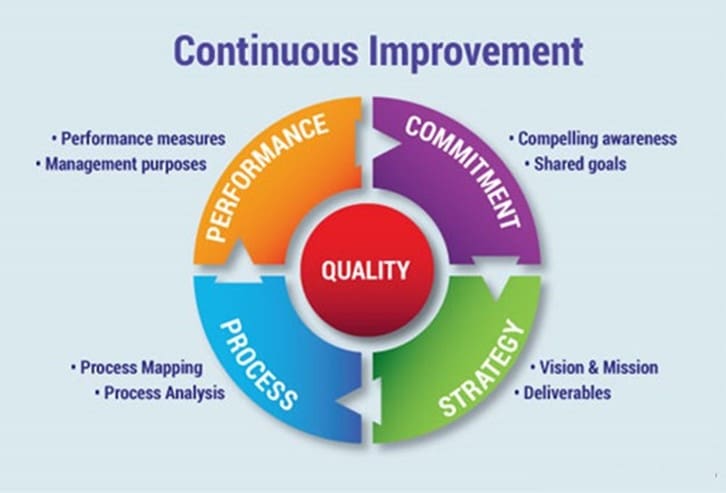
Here are the strategies that will help constantly enhance the features and performance of CLM software:
Leverage Customer Feedback: Regularly gather and analyze feedback from users to identify pain points, desired features, and areas for improvement. Incorporate this feedback into development cycles to ensure the software evolves in line with user needs.
Invest in AI and Machine Learning: Continuously integrate advanced AI and machine learning algorithms to enhance automation, predictive analytics, and intelligent contract analysis. These technologies can significantly improve efficiency and accuracy.
Ensure Scalability and Flexibility: Develop the software architecture to support scalability and flexibility, allowing it to handle increased data volumes, additional users, and more complex workflows as the business grows.
Focus on Security Enhancements: Regularly update security protocols and features to protect sensitive contract data from emerging threats. Implement robust encryption, multi-factor authentication, and regular security audits.
Improve Integration Capabilities: Enhance the software’s ability to integrate seamlessly with other business systems, such as ERP, CRM, and SCM platformsSCM platforms. Ensure compatibility with various APIs and middleware solutions.
Offer Customization Options: Provide users with extensive customization options to tailor the software to their specific workflows and business processes. This includes customizable templates, workflows, and reporting tools.
Commit to Regular Updates and Upgrades: Maintain a consistent schedule for releasing software updates and upgrades that include new features, performance improvements, and bug fixes. Communicate these updates clearly to users to ensure they are aware of and can benefit from the latest enhancements.
I want to talk about continuous improvement strategies for Contract Lifecycle Management (CLM) software. CLM software plays a crucial role in modern businesses by streamlining contract processes and ensuring compliance. However, like any software, it requires ongoing maintenance and enhancement to meet the evolving needs of your organization. So, let's dive into some tips for maximizing the potential of your CLM software through continuous improvement.
First and foremost, it's essential to actively seek feedback from users. Your team members who interact with the CLM software daily are a valuable source of insights into its strengths and weaknesses. Encourage them to share their feedback on what's working well and what could be improved. This feedback can serve as a roadmap for identifying areas for enhancement and guiding your continuous improvement efforts.
Next, embrace a culture of experimentation and innovation within your organization. Don't be afraid to try out new features or functionalities in your CLM software. Experimentation allows you to explore different approaches and discover better ways of working. By encouraging a culture of innovation, you can drive continuous improvement and stay ahead of the curve in terms of technological advancements.
Another important aspect of continuous improvement for CLM software is staying up to date with the latest trends and best practices in the industry. Technology is constantly evolving, and what may have been cutting-edge a few years ago could now be outdated. Keep an eye on industry trends, attend conferences and webinars, and engage with other professionals in the field to stay informed about the latest advancements in CLM software.
Furthermore, consider implementing regular software updates and enhancements. Software vendors often release updates to address bugs, improve performance, and introduce new features. Make sure to regularly install these updates to keep your CLM software running smoothly and take advantage of the latest enhancements. Additionally, consider working with your software vendor to develop a roadmap for future enhancements based on your organization's unique needs and goals.
Incorporating automation into your CLM software can also drive continuous improvement. Automation can streamline repetitive tasks, reduce manual errors, and improve overall efficiency. Look for opportunities to automate workflows, notifications, and document generation within your CLM software to optimize its performance and free up your team's time for more strategic tasks.
Lastly, don't forget about training and education for your team members. Proper training on how to use the CLM software effectively can significantly impact its success. Consider offering regular training sessions, resources, and support to ensure that your team is equipped with the knowledge and skills needed to maximize the potential of the software.
In conclusion, continuous improvement is essential for maximizing the potential of your Contract Management Software. By actively seeking feedback, embracing innovation, staying informed about industry trends, implementing regular updates, incorporating automation, and prioritizing training, you can drive ongoing improvement in your CLM software and ensure that it meets the evolving needs of your organization. So, let's get to work and take our CLM software to the next level!


Comments
Post a Comment