Demystifying Contract Negotiation Tools in CLM Software: A Beginner's Guide
In the dynamic landscape of modern business, contracts serve as the backbone of transactions, partnerships, and agreements. Whether it's sealing a deal with a client, procuring goods and services, or collaborating with suppliers, effective contract negotiation is key to achieving favorable outcomes. However, the traditional approach to contract negotiation, often laden with manual processes and lengthy turnaround times, can be cumbersome and prone to errors. This is where Contract Lifecycle Management Contract Lifecycle Management (CLM) software equipped with contract negotiation tools steps in to revolutionize the process. In this beginner-friendly guide, we'll unravel the mysteries of contract negotiation tools in CLM software, exploring their significance, functionalities, and benefits for those new to the realm of contract management.
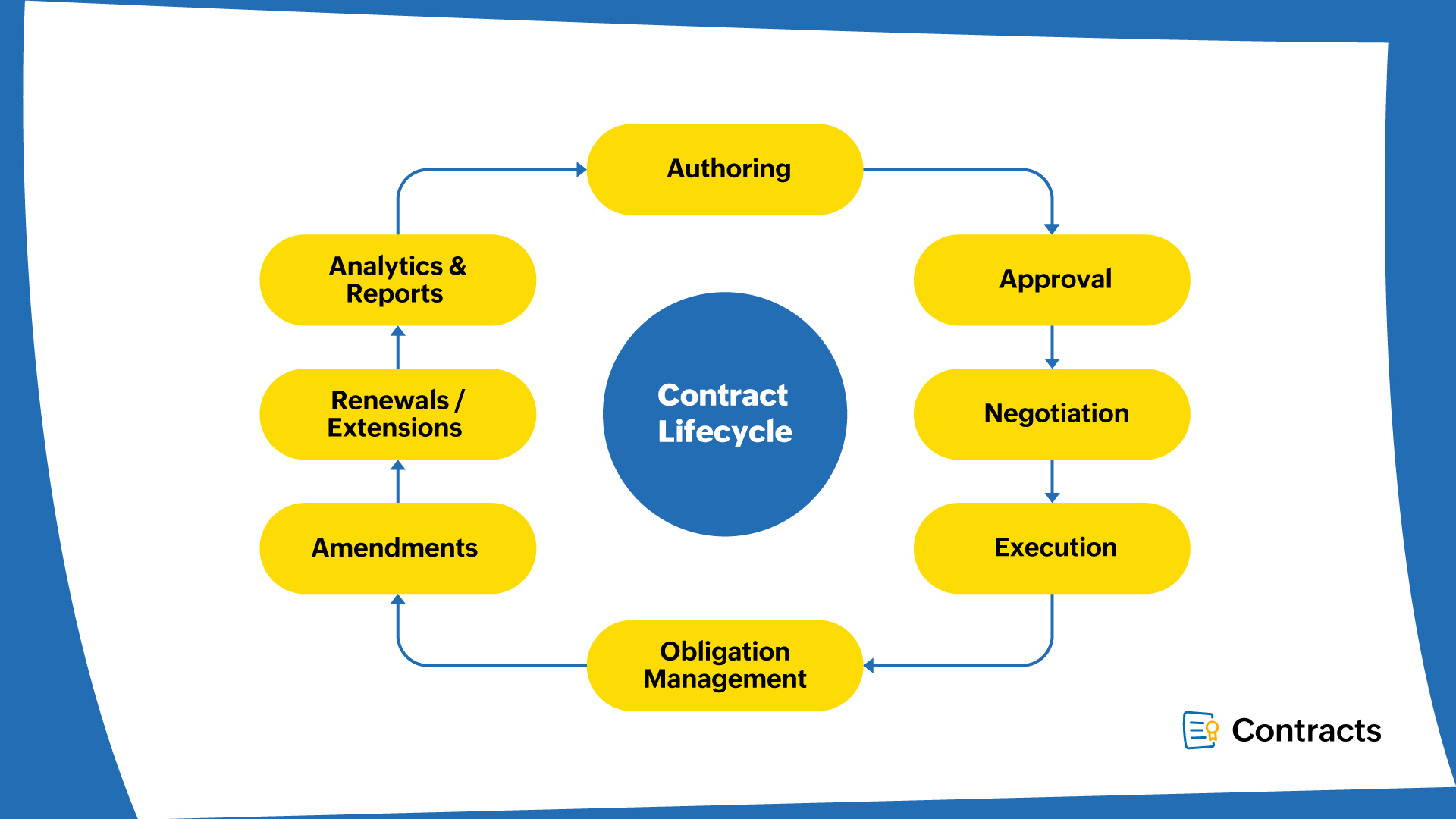
Understanding Contract Negotiation in CLM Software
Contract negotiation is the process of reaching a mutual agreement on the terms and conditions outlined in a contract between two or more parties. It involves a series of back-and-forth exchanges, discussions, and revisions aimed at addressing concerns, clarifying expectations, and ultimately finalizing the contract terms. In traditional contract negotiation, this process often unfolds through email exchanges, phone calls, and in-person meetings, leading to inefficiencies, delays, and potential miscommunications.
Contract Lifecycle Management (CLM) software transforms the contract negotiation process by providing a centralized platform equipped with robust negotiation tools. These tools streamline communication, collaboration, and document management, enabling parties to negotiate contracts efficiently and effectively. Let's delve deeper into the key functionalities of contract negotiation tools in CLM software:
Key Functionalities of Contract Negotiation Tools
Document Collaboration: Contract negotiation tools facilitate real-time collaboration on contract documents, allowing multiple parties to review, comment, and make revisions simultaneously. Users can track changes, view comment history, and communicate within the platform, reducing the need for back-and-forth email exchanges and version control issues.
Redlining and Version Control: Redlining features enable users to markup contract documents by highlighting proposed changes, additions, or deletions. CLM software tracks these redlines and maintains version control, ensuring that all parties are working with the latest version of the contract. This streamlines the negotiation process and minimizes the risk of discrepancies or confusion.
Automated Workflows: Contract negotiation tools in CLM software offer automated workflows that guide the contract negotiation process from initiation to finalization. Users can define approval hierarchies, set deadlines, and automate notifications to keep stakeholders informed and ensure timely resolution of negotiation stages.
Clause Libraries and Templates: CLM software often includes clause libraries and templates that users can leverage during contract negotiation. These libraries contain pre-approved clauses, language, and templates for common contract terms, accelerating the drafting process and maintaining consistency across contracts.
Audit Trails and Compliance: Contract negotiation tools maintain detailed audit trails of all activities and changes made during the negotiation process. This provides transparency and accountability, allowing parties to track the evolution of the contract and comply with regulatory requirements.
Benefits of Contract Negotiation Tools in CLM Software
The adoption of contract negotiation tools in CLM software offers numerous benefits for organizations, including:
Improved Efficiency: By streamlining communication, document management, and collaboration, contract negotiation tools reduce the time and effort required to finalize contracts. Parties can negotiate terms more efficiently, leading to faster deal closure and accelerated time-to-revenue.
Enhanced Collaboration: CLM software fosters collaboration among stakeholders involved in the contract negotiation process. Real-time document sharing, commenting, and version control features enable parties to work together seamlessly, regardless of geographical locations or time zones.
Reduced Errors and Risks: Automated workflows, redlining capabilities, and audit trails minimize the risk of errors, omissions, and misunderstandings during contract negotiation. By maintaining version control and tracking changes, CLM software helps mitigate risks associated with inaccurate or incomplete contracts.
Greater Visibility and Control: Contract negotiation tools provide stakeholders with greater visibility and control over the negotiation process. Users can monitor the status of negotiations, track milestones, and enforce approval workflows to ensure compliance with organizational policies and procedures.
Centralized Repository: CLM software serves as a centralized repository for all contract-related documents, communications, and activities. This eliminates the need for scattered file storage systems and ensures that all parties have access to the latest contract versions and related information.
Considerations for Choosing Contract Negotiation Tools
When selecting contract negotiation tools contract negotiation tools within CLM software, organizations should consider the following factors:
User-Friendly Interface: Look for CLM software with an intuitive and user-friendly interface that facilitates ease of use for all stakeholders involved in the negotiation process, including legal teams, procurement professionals, and business users.
Scalability and Customization: Choose CLM software that can scale with your organization's growth and adapt to evolving business needs. Look for customizable features and flexible configurations that accommodate unique negotiation requirements and workflows.
Integration Capabilities: Consider CLM software that seamlessly integrates with other enterprise systems, such as CRM, ERP, and document management platforms. Integration capabilities ensure interoperability and data consistency across business processes.
Security and Compliance: Prioritize CLM software that adheres to stringent security standards and regulatory compliance requirements. Look for features such as encryption, access controls, and audit trails to safeguard sensitive contract information and ensure data privacy.
Vendor Reputation and Support: Evaluate the reputation and track record of CLM software vendors in the market. Choose vendors that offer comprehensive customer support, training resources, and ongoing maintenance to ensure a smooth implementation and user adoption process.
Conclusion
Contract negotiation tools in CLM software revolutionize the way organizations negotiate, collaborate, and finalize contracts. By streamlining communication, automating workflows, and providing centralized document management capabilities, Contract management software empowers parties to negotiate contracts efficiently and effectively. From improving efficiency and collaboration to reducing errors and risks, the benefits of contract negotiation tools are vast and impactful.
As organizations embark on their journey to adopt CLM software with robust negotiation capabilities, careful consideration of functionalities, benefits, and considerations is essential. By choosing the right CLM software solution tailored to their unique needs, organizations can optimize the contract negotiation process, drive business value, and achieve greater success in their contractual endeavors.


Comments
Post a Comment