Subscription-based pricing models for CLM software
In recent years, subscription-based pricing models have become increasingly popular in the software industry. This trend has also extended to contract lifecycle management (CLM) software, with many companies offering subscription-based pricing options to provide customers with greater flexibility and affordability.
In this blog post, we will explore the benefits of subscription-based pricing models for CLM software and discuss why businesses should consider this pricing model for their contract management needs.
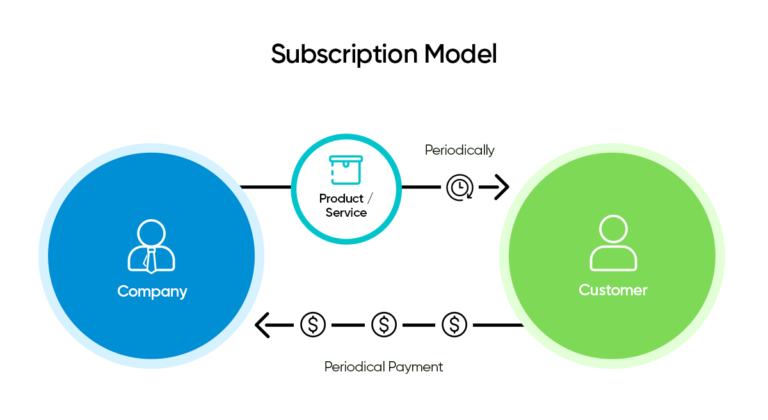
One of the primary advantages of subscription-based pricing subscription-based pricing models for CLM software is the lower upfront costs associated with this pricing structure. Instead of having to pay a large sum of money upfront to purchase a license for the software, customers can simply pay a monthly or yearly subscription fee to gain access to the software. This makes it easier for businesses of all sizes to afford CLM software, as they can spread the cost out over time instead of having to make a significant investment upfront.
Furthermore, subscription-based pricing models for CLM software often include additional benefits that are not typically found in perpetual licensing models. For example, many subscription-based CLM software providers offer regular updates and upgrades to their software as part of the subscription fee. This ensures that customers always have access to the latest features and functionality, without having to pay extra for upgrades. Additionally, subscription-based pricing models often include customer support and training as part of the package, making it easier for businesses to get up and running with the software quickly and efficiently.
Another benefit of subscription-based pricing models for CLM softwareCLM software is the scalability that they offer. With a subscription-based pricing model, businesses can easily add or remove users as needed, without having to worry about purchasing additional licenses or incurring high costs. This flexibility allows businesses to scale their usage of the software according to their needs, making it easier to adapt to changing business requirements over time.
Lastly, subscription-based pricing models for CLM software often provide customers with greater transparency and predictability when it comes to their software expenses. With a fixed monthly or yearly subscription fee, customers can easily budget for their software costs and avoid any unexpected expenses that may arise with perpetual licensing models. This predictability makes it easier for businesses to plan and allocate resources effectively, without having to worry about fluctuating software costs.
The Advantages of Subscription-Based Pricing Models for CLM Software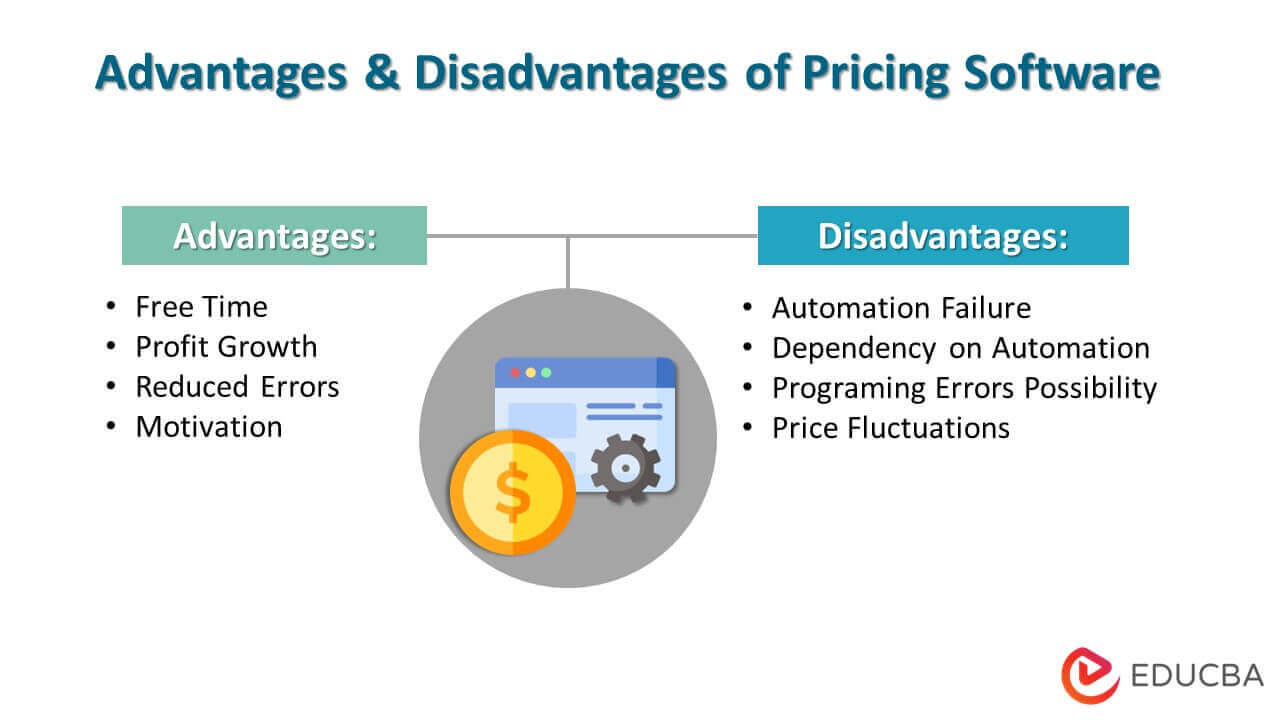
Contract Lifecycle Management (CLM) software is an essential tool for businesses of all sizes, providing a streamlined and efficient way to manage contracts throughout their entire lifecycle. As businesses increasingly rely on CLM software, choosing the right pricing model becomes crucial. Subscription-based pricing models have emerged as a popular and advantageous option, offering numerous benefits over traditional perpetual licensing models. In this comprehensive guide, we will explore the many advantages of subscription-based pricing models for CLM software, extending the discussion to cover various aspects and insights.
Lower Upfront Costs
Affordability for Small and Medium-Sized Businesses
One of the primary advantages of subscription-based pricing models for Contract Management software is the lower upfront costs associated with this pricing structure. Instead of having to pay a large sum of money upfront to purchase a license for the software, customers can simply pay a monthly or yearly subscription fee to gain access to the software. This makes it easier for businesses of all sizes, especially small and medium-sized enterprises (SMEs), to afford CLM software. By spreading the cost over time, businesses can allocate their resources more effectively and avoid the financial strain of a significant initial investment.
Cost Management and Cash Flow
Lower upfront costs also contribute to better cash flow managementcash flow management. Businesses can maintain a steady cash flow by paying smaller, regular fees instead of a substantial one-time payment. This is particularly beneficial for startups and growing businesses that need to manage their finances carefully. Subscription-based pricing aligns with their need to balance investments and operational expenses.
Access to Regular Updates and Upgrades
Staying Current with Technology
Subscription-based pricing models for CLM software often include additional benefits that are not typically found in perpetual licensing models. For example, many subscription-based CLM software providers offer regular updates and upgrades to their software as part of the subscription fee. This ensures that customers always have access to the latest features and functionality, without having to pay extra for upgrades. Keeping the software up-to-date is crucial in the fast-evolving technology landscape, where new features and improvements can significantly enhance productivity and efficiency.
Enhanced Security and Compliance
Regular updates and upgrades also play a critical role in maintaining the security and compliance of CLM software. As cyber threats and regulatory requirements continue to evolve, staying current with the latest security patches and compliance updates is essential. Subscription-based models ensure that businesses receive these updates automatically, reducing the risk of security breaches and non-compliance penalties.
Comprehensive Customer Support and Training
Accelerated Onboarding
Subscription-based pricing models often include customer support and training as part of the package, making it easier for businesses to get up and running with the software quickly and efficiently. Comprehensive onboarding programs, including tutorials, webinars, and one-on-one training sessions, help users become proficient with the software in a shorter time frame. This accelerates the implementation process and minimizes disruptions to business operations.
Ongoing Support
In addition to onboarding, subscription-based models typically offer ongoing customer support. Businesses can access help whenever they encounter issues or need assistance with the software. This continuous support ensures that users can fully leverage the software's capabilities and resolve any problems promptly, enhancing overall user satisfaction and productivity.
Scalability and Flexibility
Adjusting to Business Needs
Another significant benefit of subscription-based pricing models for CLM software is the scalability they offer. With a subscription-based pricing model, businesses can easily add or remove users as needed, without having to worry about purchasing additional licenses or incurring high costs. This flexibility allows businesses to scale their usage of the software according to their needs, making it easier to adapt to changing business requirements over time.
Supporting Growth and Expansion
As businesses grow and expand, their contract management needs will likely increase. Subscription-based CLM software can scale with the business, providing additional resources and capabilities as required. This ensures that the software remains a valuable tool, supporting the business through various stages of growth and transformation.
Transparency and Predictability
Budgeting and Financial Planning
Subscription-based pricing models for CLM software often provide customers with greater transparency and predictability when it comes to their software expenses. With a fixed monthly or yearly subscription fee, customers can easily budget for their software costs and avoid any unexpected expenses that may arise with perpetual licensing models. This predictability makes it easier for businesses to plan and allocate resources effectively, without having to worry about fluctuating software costs.
Cost Control and Accountability
Fixed subscription fees also enable better cost control and accountability within the organization. Departments and teams can plan their budgets more accurately, and finance departments can track and manage software expenses more effectively. This level of transparency promotes better financial governance and strategic planning.
Enhanced Value Proposition
Continuous Improvement
Subscription-based CLM software providers are motivated to continuously improve their products and services to retain customers. This competitive pressure benefits customers, who receive regular enhancements and new features. The ongoing relationship between the provider and the customer fosters innovation and ensures that the software remains aligned with the latest industry trends and best practices.
Access to Premium Features
Many subscription-based CLM software packages include access to premium features that may not be available in perpetual licensing models. These premium features, such as advanced analytics, AI-driven insights, and integration with other business systems, provide additional value and enhance the overall functionality of the software. Businesses can leverage these features to gain deeper insights, improve decision-making, and streamline their contract management processes.
Improved Collaboration and Communication
Real-Time Collaboration
Subscription-based CLM software often includes advanced collaboration tools that facilitate real-time communication and teamwork. Users can collaborate on contract creation, review, and approval processes seamlessly, regardless of their location. This improves efficiency and ensures that all stakeholders are aligned throughout the contract lifecycle.
Integration with Communication Tools
Many subscription-based CLM software solutions integrate with popular communication tools like Slack and Microsoft Teams. This integration enhances collaboration by allowing users to share contract-related updates, ask questions, and receive notifications directly within their preferred communication platforms. Improved communication leads to faster decision-making and better contract outcomes.
Enhanced Security and Compliance
Regular Security Updates
Subscription-based CLM software providers prioritize security and compliance, often including regular security updates as part of the subscription fee. This ensures that the software is always protected against the latest threats and vulnerabilities. Businesses can rely on their CLM software to safeguard sensitive contract data and maintain compliance with industry regulations.
Compliance Management
Subscription-based CLM software often includes built-in compliance management features that help businesses adhere to regulatory requirements. Automated compliance checks, audit trails, and reporting capabilities ensure that contracts are compliant with relevant laws and regulations. This reduces the risk of non-compliance and associated penalties.
Customization and Personalization
Tailored Solutions
Subscription-based CLM software providers often offer tailored solutions that cater to the specific needs of different industries and businesses. This customization ensures that the software aligns with the unique requirements and workflows of each customer, providing a more personalized and effective contract management experience.
Configurable Workflows
Subscription-based CLM software allows users to configure workflows according to their specific processes and requirements. This flexibility ensures that the software adapts to the business's needs, rather than forcing the business to change its processes to fit the software. Configurable workflows improve efficiency and consistency in contract management.
Advanced Analytics and Reporting
Data-Driven Insights
Subscription-based CLM software often includes advanced analytics and reporting capabilities that provide valuable insights into contract performance. Businesses can analyze contract data to identify trends, monitor compliance, and assess risks. Data-driven insights enable better decision-making and help businesses optimize their contract management processes.
Customizable Reports
Users can create customizable reports that highlight the most relevant data for their specific needs. This improves the ability to monitor key performance indicators (KPIs) and track contract performance. Customizable reports ensure that businesses have the information they need to make informed decisions and achieve their contract management goals.
Enhanced Integration Capabilities
Seamless Integration with Business Systems
Subscription-based CLM software is designed to integrate seamlessly with other business systems, such as ERP, CRM, and SCM solutions. This integration ensures that contract data is aligned with financial, operational, and customer data, providing a comprehensive view of business activities. Seamless integration enhances efficiency and accuracy in contract management.
API and Third-Party Integrations
Many subscription-based CLM software solutions offer robust APIs and support for third-party integrations. This enables businesses to connect their CLM software with other tools and systems, creating a cohesive and streamlined technology ecosystem. Enhanced integration capabilities improve data flow and collaboration across different business functions.
Continuous Innovation and Adaptation
Agile Development
Subscription-based CLM software providers often follow agile development methodologies, continuously iterating and improving their products based on customer feedback and market trends. This ensures that the software remains relevant and up-to-date with the latest advancements in technology and contract management practices.
Customer-Centric Approach
The subscription model fosters a customer-centric approach, where providers prioritize customer satisfaction and retention. This leads to ongoing innovation and the development of features that address the evolving needs of customers. Continuous innovation ensures that the software continues to deliver value and supports the business's contract management objectives.
Enhanced User Experience (UX) and User Interface (UI)
Intuitive Design
Subscription-based CLM software providers invest in creating intuitive and user-friendly interfaces that enhance the overall user experience. An intuitive design ensures that users can navigate the software easily and perform tasks efficiently, reducing the learning curve and improving productivity.
Mobile Accessibility
As remote work becomes more prevalent, subscription-based CLM software solutions offer robust mobile applications that allow users to manage contracts on the go. Mobile accessibility ensures that users can stay connected and productive, regardless of their location. This flexibility is particularly valuable for businesses with distributed teams and remote workers.
Performance Metrics and KPIs
Built-In Performance Metrics
Subscription-based CLM software often includes built-in performance metrics and KPIs that allow businesses to monitor and measure contract performance. These metrics provide valuable insights into contract efficiency, compliance, and risk management, helping businesses achieve their contract management goals.
Benchmarking and Continuous Improvement
Advanced benchmarking capabilities enable businesses to compare their contract performance against industry standards and best practices. This helps identify areas for improvement and implement changes to enhance contract management processes. Continuous improvement features ensure that businesses can optimize their contract management strategies over time.
AI-Driven Features
Intelligent Contract Analysis
Subscription-based CLM software providers leverage artificial intelligence (AI) and machine learning (ML) to offer intelligent contract analysis features. AI-driven tools can analyze contracts quickly and accurately, identifying key terms, clauses, and potential risks. This reduces the time and effort required for manual review and improves the accuracy of contract analysis.
Predictive Analytics and Risk Management
AI and ML algorithms can predict potential issues based on historical data, allowing businesses to address risks proactively. Predictive analytics tools can forecast which contracts are likely to face compliance issues or disputes, helping businesses take preventive measures. AI-driven risk management enhances overall contract performance and reduces the likelihood of costly disputes.
Intelligent Drafting and Negotiation
AI can assist in drafting contracts by suggesting standard clauses and terms based on the type of contract and historical data. This speeds up the creation process and ensures consistency in contract language. AI-driven negotiation tools can provide real-time support during negotiations, offering suggestions and insights to help negotiators achieve the best possible outcomes.
Conclusion
Subscription-based pricing models for CLM software offer numerous advantages over traditional perpetual licensing models. The lower upfront costs, access to regular updates and upgrades, comprehensive customer support, and scalability make subscription-based CLM software an attractive option for businesses of all sizes. Additionally, the transparency and predictability of subscription fees, combined with enhanced value propositions, improved collaboration, and advanced security features, further contribute to the benefits of subscription-based CLM software.
As businesses continue to evolve and adapt to changing market conditions, subscription-based CLM software provides the flexibility and innovation needed to stay competitive. By leveraging the advantages of subscription-based pricing models, businesses can optimize their contract management processes, achieve greater efficiency, and drive long-term success.
I


Comments
Post a Comment